Blue Bloods spent more than a decade building something rare in modern television: an intensely loyal audience. Viewers didn’t tune in solely for weekly cases 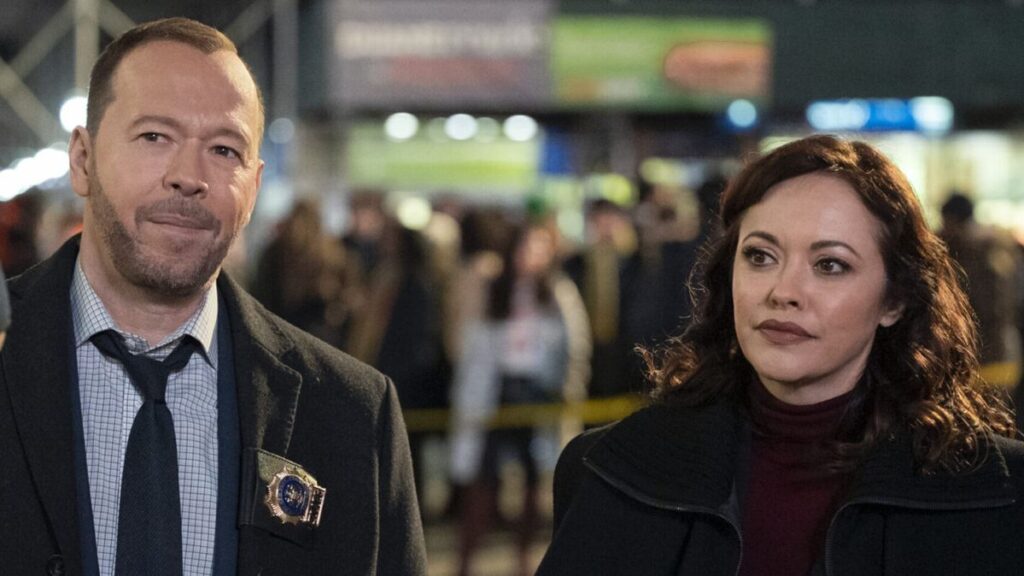 they invested in a family. The Reagan dinner table became ritual viewing, and as the original series neared its conclusion, fans weren’t ready to let that world go. Boston Blue emerged as the answer to that resistance. It wasn’t framed as a replacement, but as a continuation an outcome that allows the story to move forward in a new setting without abandoning its foundation.
The change in geography only heightened anticipation. Shifting the franchise from New York to Boston immediately signaled evolution. With its own law-enforcement traditions, political complexities, and historical weight, Boston promised fresh narrative terrain while still aligning with the values that defined the Reagan family. For fans, this wasn’t Blue Bloods repeating itself; it was the same moral universe seen from a different perspective.
Equally important were the unresolved character arcs left behind. Blue Bloods ended with deliberate restraint, leaving emotional threads open questions of legacy, generational change, and identity within the Reagan family. Boston Blue positioned itself as the space where those lingering questions might finally be explored. Hints of returning or reimagined characters, including speculation surrounding Jack Reagan, only fueled excitement, reinforcing the idea that the past still mattered.
Timing also worked in the spinoff’s favor. In an era when audiences are wary of reboots and franchise extensions, Boston Blue felt earned rather than manufactured. It arrived when viewers were already emotionally primed, making the series feel less like a corporate decision and more like a natural storytelling progression.
Ultimately, anticipation grew because Boston Blue represented hope for the future of the franchise. Instead of allowing Blue Bloods to settle into nostalgia, it offered evolution new conflicts, new perspectives, and a chance to examine what the Reagan legacy means in a changing world. For fans, it wasn’t just another show. It was the promise that a familiar moral compass could still find its way through unfamiliar territory.
That is why Boston Blue became the most anticipated outcome of Blue Bloods: it offers closure without finality, change without betrayal, and reassurance that a story audiences invested in for years still has something meaningful left to say.