The Moment That Changed Everything
Since Blue Bloods concluded, one question has followed Tom Selleck with unwavering persistence: would Frank Reagan return in the spinoff era? Now, Selleck has answered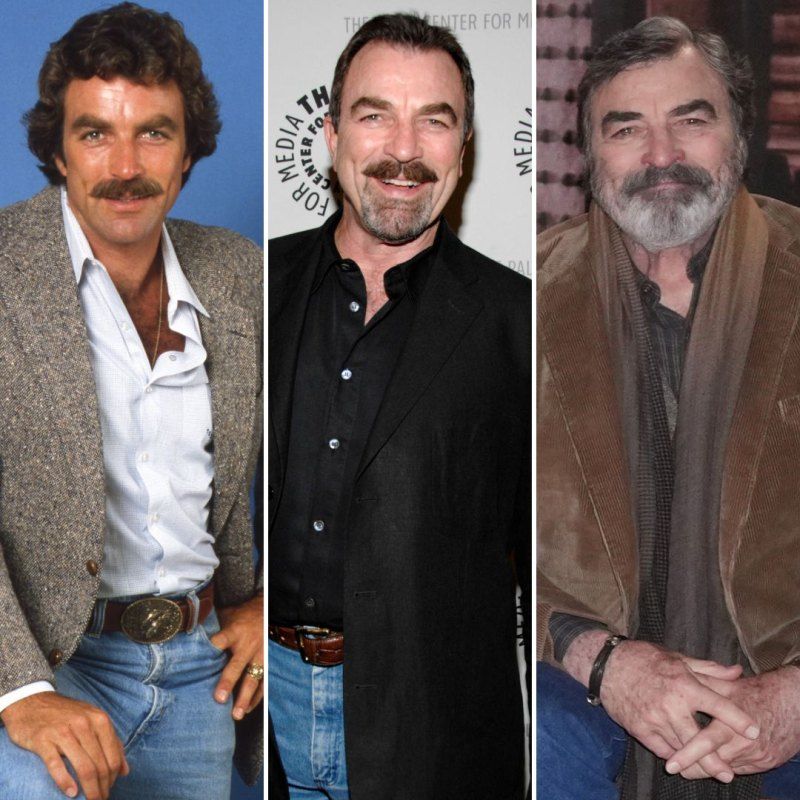 and the response is quieter, weightier, and far more final than many fans anticipated.
This was not a tease. It was a line drawn.
A Boundary, Not a Bridge
At 80, Selleck is no longer negotiating legacy through possibility. When asked directly about appearing in Boston Blue, his answer reframed the discussion entirely. It wasn’t about contracts or schedules. It was about purpose and about recognizing when a story has reached its natural end.
Frank Reagan, in Selleck’s view, is not unfinished.
Legacy Versus Continuation
The words he chose point to a deeper conflict than the question of a cameo. Frank Reagan was never just a role. He was a moral anchor a figure of authority defined by restraint, gravity, and quiet conviction. For fourteen seasons, he represented order in chaos: a father at the head of a table, and a conscience within a city.
Selleck now appears unwilling to transfer that weight into a new narrative space. Boston Blue is not New York. It is not the Reagan dinner table. And, most importantly, it is not the story that shaped Frank Reagan’s identity.
Referring to the spinoff as “another show” was not dismissal. It was distinction. And within that distinction lies a firm boundary: Frank Reagan belongs to a specific chapter of television history, not to an expandable franchise.
The Burden of Stewardship
Perhaps the most revealing moment came when Selleck spoke about responsibility. He framed his role not as ongoing performance, but as guardianship. Preserving Blue Bloods’ place in television history, he suggested, is his calling. Continuing to play Frank Reagan is not.
The implication is quietly profound. A return, even brief, risks erosion rather than celebration turning a completed legacy into nostalgia. For an actor whose career has spanned Magnum, P.I. and decades of authority without spectacle, restraint may be the most respectful final act.
Grief, Respect, and Division
Fan reaction has been immediate and emotional. For some, Selleck’s words feel like a definitive goodbye confirmation that Frank Reagan will remain a memory, not a visitor. Others applaud the resolve, arguing that Blue Bloods ended with dignity precisely because it resisted endless extension.
Online conversations have split into thoughtful camps: those who believe Frank Reagan’s presence would elevate Boston Blue, and those who insist his absence protects what made the original series sacred.
What’s notably missing is outrage. Instead, there is a collective pause an understanding that this decision carries weight.
A Future Without Frank Reagan
The Blue Bloods universe is moving forward. Boston Blue will evolve, define its own voice, and stand on its own terms. Danny Reagan’s story will continue without his father’s physical presence.
Yet Frank Reagan’s absence will not feel empty. It will echo in values invoked, decisions made, and moments shaped by the moral framework he embodied.
Whether this truly marks the end remains unknowable. Hollywood has a habit of revisiting even the most carefully closed doors. But for now, Tom Selleck has chosen closure over continuation.
And sometimes, the most powerful legacy is knowing when to step away leaving behind a character so complete that silence becomes its final, most dignified line.