Sometimes a show doesn’t change because of a twist.
Sometimes, it changes because of a loss.
For more than a decade, Blue Bloods stood as one of television’s most stable, reassuring presences. Viewers didn’t tune in solely for police cases or courtroom drama 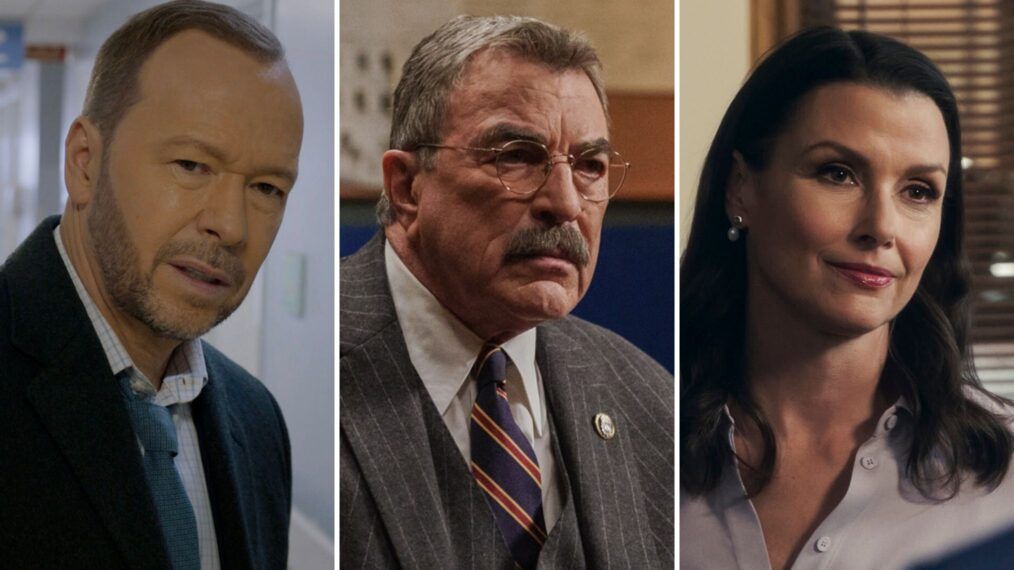 they came for something increasingly rare: consistency. The Reagan family felt familiar. Dependable. Predictable, even and in the best possible way.
And then, quietly, something shifted.
There was no explosive cliffhanger. No shocking betrayal. No announcement signaling a new direction. Episodes continued. The dinner table was still set. The cases were still solved.
Yet longtime fans felt it almost instinctively. Blue Bloods no longer felt the same. Because sometimes a show doesn’t change when the story does. Sometimes, it changes when the heart does.
The Comfort of a World That Didn’t Rush
From its earliest seasons, Blue Bloods built its identity on emotional reliability. While other procedurals chased shock value, this series slowed down. It lingered on conversations. It allowed moral debates to breathe. It trusted silence as much as action.
At the center of that rhythm was the Reagan family not just as individual characters, but as an emotional ecosystem. Authority balanced idealism. Loyalty met dissent. Faith coexisted with doubt.
For years, that balance felt nearly unbreakable. And that’s precisely why the change hurt when it came.
The Loss That Didn’t Need Explaining
What made the shift in Blue Bloods so profound is that it arrived without explanation. There was no single episode fans could point to and say, That’s when everything broke.
Instead, it was a slow realization. Scenes felt heavier. Dinner conversations more restrained. Moments carried a silence that hadn’t been there before.
It was the sensation of absence not always visible, but unmistakably present. Fans didn’t need to be told something was missing. They felt it.
Why Loss Hits Harder Than Plot Twists
Television conditions audiences to expect twists deaths, departures, shocking reveals. We brace ourselves for them.
But Blue Bloods never relied on surprise. Its strength came from presence.
So when something essential faded, the impact cut deeper than any scripted shock. Because it wasn’t about what happened.
It was about what no longer happened.
The warmth that once lingered.
The familiar emotional cadence.
The quiet certainty that everyone still belonged exactly where they stood.
Loss in Blue Bloods didn’t scream.
It whispered.
The Reagan Dinner Table: Same Table, Different Silence
No image defines Blue Bloods more than the Reagan family dinner table. For years, it was sacred ground a place where disagreements unfolded, but bonds never broke.
After the shift, those dinners remained. But attentive viewers noticed the difference. Conversations grew more careful. Laughter felt less spontaneous. Debates carried more weight, less ease.
Nothing was wrong on paper. Emotionally, though, something had changed.
It felt like a family after loss still gathering, still loving, but never quite the same.
When Characters Begin Carrying More Weight
One of the most subtle indicators of change was how the characters themselves evolved under invisible pressure.
Frank Reagan’s leadership felt heavier. Danny’s intensity less reckless, more burdened. Erin’s moral certainty sharpened by weariness rather than confidence. Jamie’s idealism more fragile than before.
These weren’t flaws in writing or performance. They were signs of transformation shaped by absence. Loss doesn’t always remove people. Sometimes, it reshapes the ones who remain.
Why the Audience Felt It So Deeply
Fans didn’t reject the change. They mourned it.
Only a show that earns deep trust can evoke that kind of response. Viewers didn’t say, The show got bad. They said, The show feels different.
And that difference mattered because it reminded them how much the earlier feeling had meant.
When Television Mirrors Real Life
For many viewers, Blue Bloods wasn’t just a show. It was routine. Friday nights. Familiar voices. Moral clarity in a complicated world.
So when its emotional texture shifted, it echoed real life. Because real loss doesn’t always arrive with drama. It comes with small changes. Rooms that feel emptier. Traditions that continue, but feel altered.
Blue Bloods captured that truth perhaps unintentionally and that’s why the shift resonated so deeply.
The Courage to Let a Show Grow Older
Rather than fight the change, Blue Bloods allowed it.
The series didn’t try to replace what was lost with louder action or younger energy. It let itself age. It softened. It reflected.
That choice may not have pleased everyone but it gave the show emotional honesty. Instead of pretending nothing had changed, it acknowledged that time leaves marks. On families. On institutions. On people who have devoted their lives to duty.
That honesty made the loss feel real.
A Different Kind of Strength
Though Blue Bloods never fully returned to its earlier emotional tone, it gained something else: depth.
Later seasons carried a quieter gravity. Decisions felt heavier. Consequences lingered longer. Characters spoke less but meant more.
The series became less about reassurance and more about reflection. And for many fans, that made it even more meaningful.
The Moment We Realized We Were Letting Go
Perhaps the most heartbreaking realization wasn’t that Blue Bloods had changed but that it was teaching us how to say goodbye.
By showing a family moving forward after loss, the series prepared its audience for its own eventual farewell. It didn’t end abruptly. It didn’t burn out. It transformed slowly and respectfully.
In doing so, it honored what made it special in the first place: emotional truth.
Why That Moment Still Matters
Years from now, fans may debate which season was best or which storyline hit hardest.
But many will remember the same feeling the moment Blue Bloods stopped feeling the same. Not because it failed, but because it changed. Because it lost something. And because it chose to carry that loss honestly.
In television, that kind of courage is rare.
And in the hearts of its fans, it will never be forgotten.