The legacy of Blue Bloods stands as one of television’s most enduring achievements — a series that blended crime-fighting, family devotion, personal sacrifice, and moral conviction into a powerful, emotionally resonant whole. For more than a decade, it became a cultural touchstone, drawing millions of viewers who returned week after week not just for the cases, but for the heart at the center of the show.
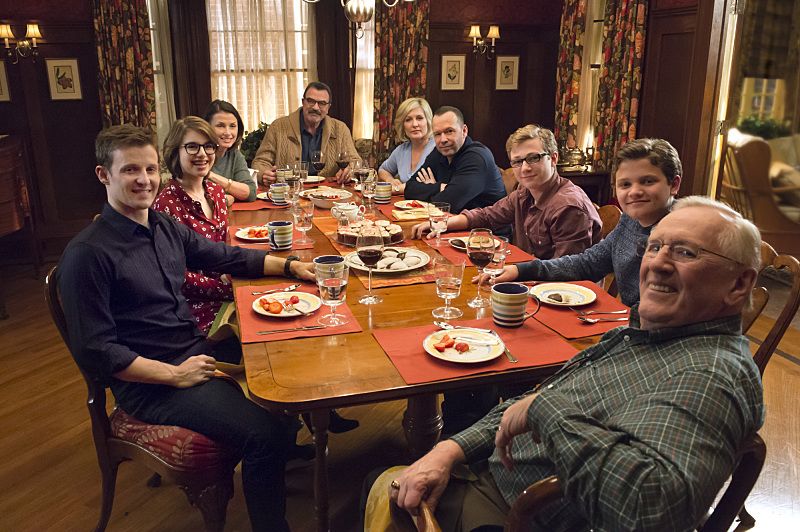 At the core of that legacy is the Reagan family a multigenerational law-enforcement dynasty whose Sunday dinners became as iconic as the precinct scenes and courtroom battles. Those meals symbolized everything Blue Bloods represented: loyalty, honesty, duty, faith, forgiveness, and the belief that in a chaotic world, family is the foundation that keeps life steady. The show’s brilliance lay in its ability to balance these intimate, heartfelt moments with intense police work, legal dilemmas, citywide crises, and deeply layered storytelling.
New York City itself became a character vibrant, flawed, complex, and full of emotion. Through this backdrop, the series explored real-world issues such as justice, corruption, addiction, grief, loyalty, and redemption, always through the lens of a family determined to do what was right, even when the right choice was the hardest one.
Fans watched as Frank Reagan carried the heavy burden of leadership, Danny Reagan battled through trauma and loss while remaining fiercely dedicated, Erin Reagan navigated the moral gray areas of prosecution, and Jamie Reagan grew from a young officer into a thoughtful and principled leader. Over the years, these characters felt less like fictional figures and more like family members viewers had grown up with.
Much of the show’s legacy comes from its exceptional ensemble cast. Tom Selleck’s commanding, heartfelt performance as Frank anchored the series with gravitas and honesty. Donnie Wahlberg brought intensity and vulnerability to Danny, while Bridget Moynahan, Will Estes, Len Cariou, Marisa Ramirez, Vanessa Ray, and many others added depth and nuance that made the Reagan world feel authentic and lived-in.
Beyond the characters, Blue Bloods left its mark through its unwavering commitment to its core values. It never chased trends or compromised its identity. Instead, it remained a story about service, sacrifice, integrity, and the complicated beauty of family themes that resonated across generations.
When the series finally reached its end, fans felt a profound sense of loss. Not because of cliffhangers or dramatic shocks, but because Blue Bloods had woven itself into their lives. It offered comfort, stability, and storytelling that made viewers reflect on their own families and moral choices. Its final episodes provided closure yet left behind an emotional imprint that continues to endure.
The legacy of Blue Bloods lives on in the conversations fans still have, the scenes they revisit, and the characters they continue to cherish. Its influence can be felt across police procedurals, family dramas, and long-running television. More importantly, its impact remains in the connection it forged with audiences a connection strong enough to last long after the lights around the Reagan family dinner table have dimmed.
That is the true legacy of Blue Bloods: the values it championed, the characters it immortalized, and the heartfelt bond it created with viewers who will carry it with them for years to come.