When Blue Bloods concluded after fourteen seasons, television lost one of its last true old 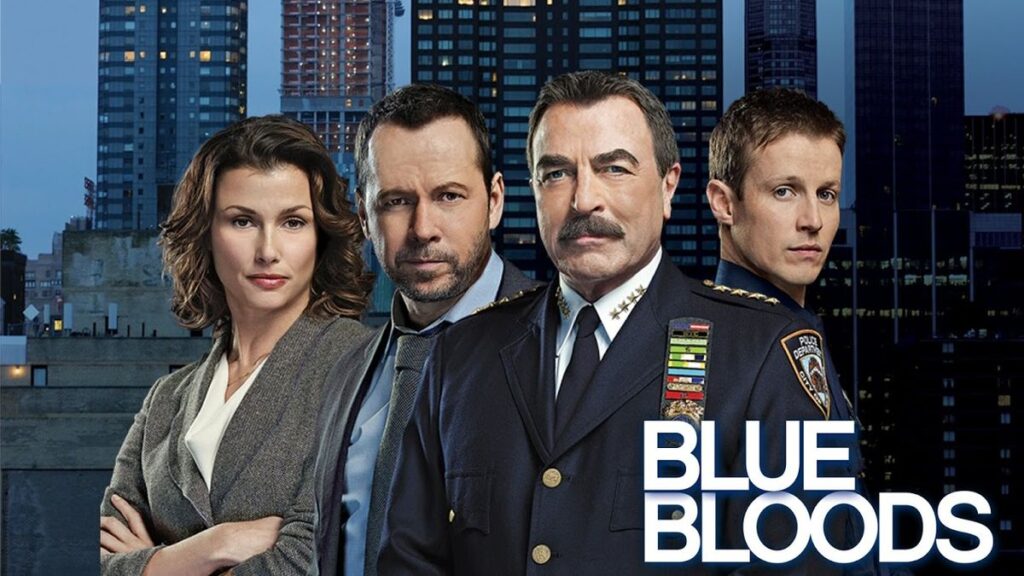 school procedurals a series defined not by spectacle, but by values, tradition, and emotional sincerity. But its influence didn’t end with its finale. In the months that followed, industry analysts noticed an unexpected shift: networks and streaming platforms began gravitating toward storytelling models that echoed the show’s moral foundation. Family centered procedurals surged in development, and character driven moral drama suddenly returned to the spotlight.
What made Blue Bloods such a powerful blueprint? Much of its strength came from its ability to marry the comfort of case of the week storytelling with the depth of generational conflict, loyalty, and leadership. The Reagan family dinner table became more than a setting it served as a ritualistic reset, a place where ethical dilemmas were tackled through reflection and dialogue rather than action alone. In today’s rapid fire media culture, that approach feels almost radical.
Producers across multiple studios have acknowledged that the “Reagan format” proved something essential: audiences crave stability. They want to watch characters evolve gradually and authentically, in ways that mirror real emotional growth. Even more striking, younger viewers often dismissed as craving only high intensity, fast paced content have rediscovered the series through streaming and syndication, praising its balance of grounded storytelling and emotional resonance.
The emergence of Boston Blue, the franchise’s new spin off, further illustrates its lasting relevance. Rather than reinventing the formula with flashy reinvention, the creative team appears committed to preserving the humanistic core that made the original series endure. But Blue Bloods’ impact extends far beyond a single successor. Writers increasingly point to it as the ideal model for character first police drama; actors admire its restraint and realism; and networks use its longevity as evidence that audiences still value consistency over gimmicks.
In a television era dominated by spectacle, Blue Bloods delivered a reminder that never loses power: the strongest stories begin with strong values and characters who choose to live by them.