With any spinoff comes change and with change comes strong emotion. One of the most debated decisions surrounding Boston Blue is the recasting of Sean Reagan, Danny’s son. After watching him grow up on 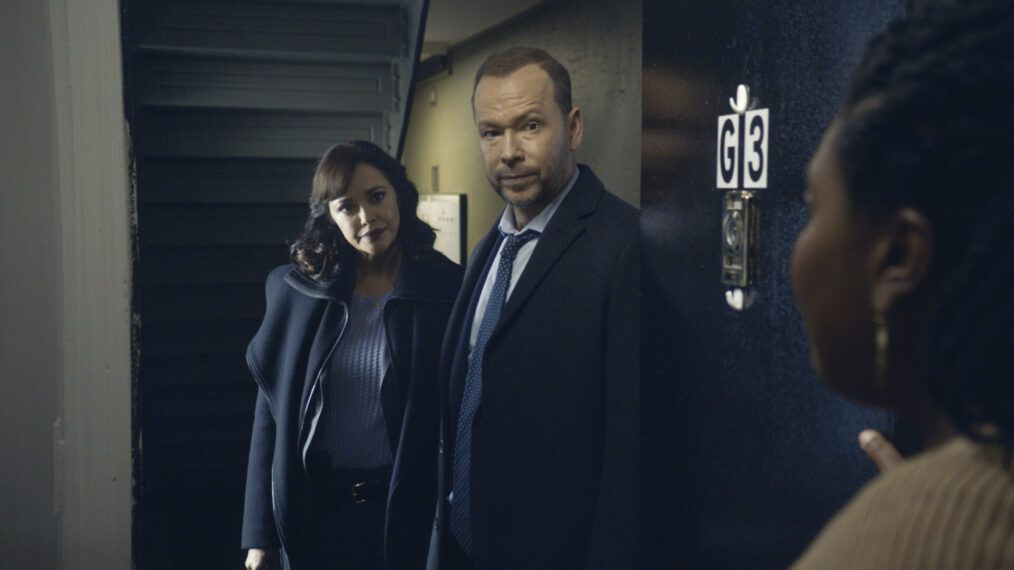 screen for years, fans are now adjusting to a new actor stepping into the role a major shift for viewers who followed Sean’s journey from childhood into early adulthood.
Recasting a long established character is never easy. Audiences build emotional connections with familiar faces, especially in a franchise rooted in family bonds and generational storytelling. Sean represented the younger branch of the Reagan dynasty, navigating school pressures, personal challenges, and the weight of carrying the family name. The original actor brought warmth, sincerity, and a quiet emotional depth that resonated with longtime viewers.
Naturally, introducing a new actor has sparked mixed reactions. Some fans see it as part of the creative evolution required for a fresh series, while others feel the change disrupts the continuity they valued. The new actor has addressed the transition with humility, expressing hope that he can honor the character’s legacy rather than replace it.
But the recast underscores a larger truth: Boston Blue is not Blue Bloods. It’s a show with its own tone, its own narrative priorities, and its own identity. While the Reagan legacy remains a meaningful foundation, the spinoff must stand on its own with new storylines, new relationships, and new emotional stakes. Updating cast members is one way to signal that this is a new chapter, not a carbon copy.
Beyond the recasting, Boston Blue is taking broader creative swings. Without the iconic dinner scenes or multi generational debates that defined Blue Bloods, the new series must establish fresh emotional anchors. Danny’s dynamic partnership with Lena is one. Sean’s evolving role is another. And the city of Boston itself functions as a character shaping atmosphere, conflict, and storytelling in ways that distinguish the spinoff from its predecessor.
This transition highlights something essential about modern television franchises: audiences care deeply about emotional continuity. When a long running series ends, viewers want both closure and renewal. Spinoffs must balance the comfort of nostalgia with the excitement of reinvention.
Boston Blue embraces that challenge directly. While the recasting of Sean may be difficult for some fans, it reflects the show’s commitment to growth, risk taking, and narrative evolution. Whether audiences ultimately embrace the change will depend not just on casting choices, but on the heart, authenticity, and storytelling the new series delivers.