Boston Blue may not premiere until 2026, but anticipation for the Blue Bloods spinoff is already gaining serious momentum 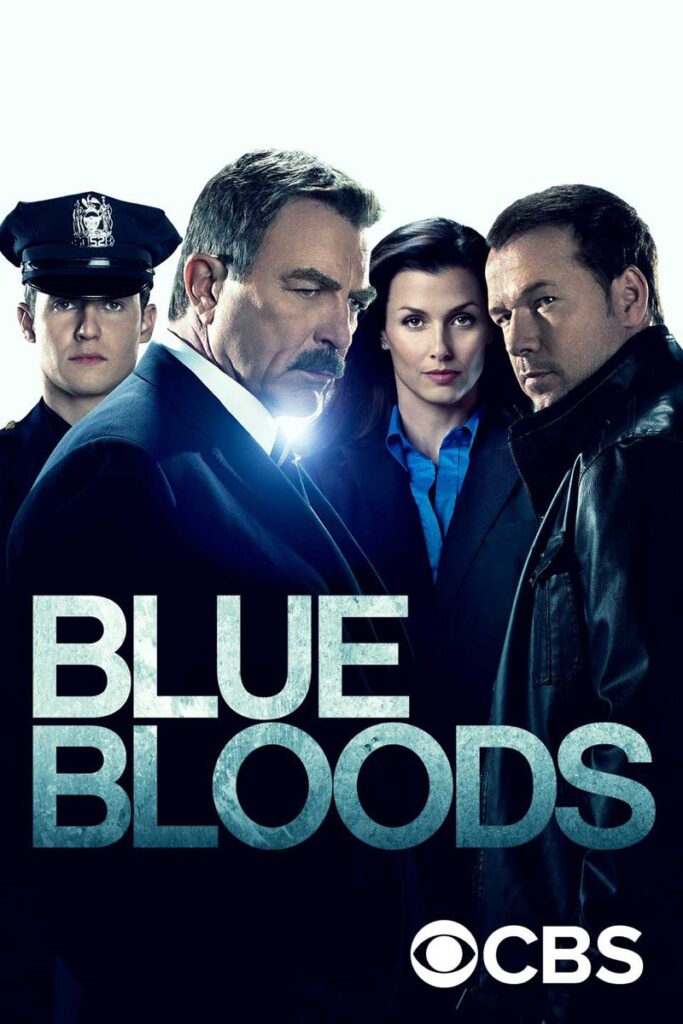 and for good reason. While Blue Bloods spent over a decade carefully building a trusted legacy, Boston Blue enters the franchise with something far rarer: freedom. Free from the weight of long-established continuity, the new series has the chance to expand the universe in bold ways and that freedom could ultimately make it even bigger than its predecessor.
What immediately distinguishes Boston Blue is its fresh setting paired with unmistakable franchise DNA. Shifting the story to Boston opens the door to a city defined by deep-rooted tradition, political complexity, and a historically tense relationship with law enforcement. That change alone introduces new power structures, sharper moral dilemmas, and a grittier civic atmosphere, all while preserving the values-driven storytelling that made Blue Bloods resonate for so many years.
Timing also works heavily in the spinoff’s favor. Blue Bloods concluded while audiences were still emotionally invested rather than burned out. As a result, Boston Blue isn’t trying to rekindle interest it’s inheriting momentum. Fans who grew up alongside the Reagan family are ready for a continuation that feels familiar but more evolved, and the spinoff is positioned to deliver exactly that.
Perhaps the greatest advantage Boston Blue holds is narrative flexibility. Without decades of canon to protect, the series can take bigger creative risks. Characters can make morally complicated decisions without being constrained by legacy expectations. Storylines can dig deeper into institutional conflict, generational divides, and modern policing challenges with a sharper, more urgent edge.
The series also arrives in a different television era. While Blue Bloods thrived on tradition and procedural structure, Boston Blue can lean into tighter arcs, serialized storytelling, and heightened emotional stakes. Today’s audiences expect evolution, and the spinoff has the rare opportunity to modernize the franchise without abandoning its core principles.
Casting will be crucial to that success. Boston Blue can introduce characters who aren’t defined by iconic predecessors, allowing viewers to form fresh emotional connections. At the same time, carefully placed ties to the original series can deepen investment without overshadowing the new story. That balance honoring the past without being trapped by it is where spinoffs either flourish or fail.
Ultimately, Boston Blue isn’t trying to replace Blue Bloods. It’s aiming to build on it. By expanding the universe, embracing modern storytelling, and grounding itself in a city known for intensity and contradiction, the spinoff could achieve what few follow-ups manage: standing confidently on its own while casting an even longer shadow.
If Blue Bloods was about preserving order, Boston Blue may be about testing it. And in a television landscape hungry for evolution, that shift could make all the difference.