Fans across the internet are still reeling after an alleged CBS leak revealed the network’s rumored 2026 renewals and cancellations, and the reaction has been explosive. What began as quiet industry chatter quickly escalated into full-blown chaos once screenshots of the list began circulating online. Viewers weren’t just surprised 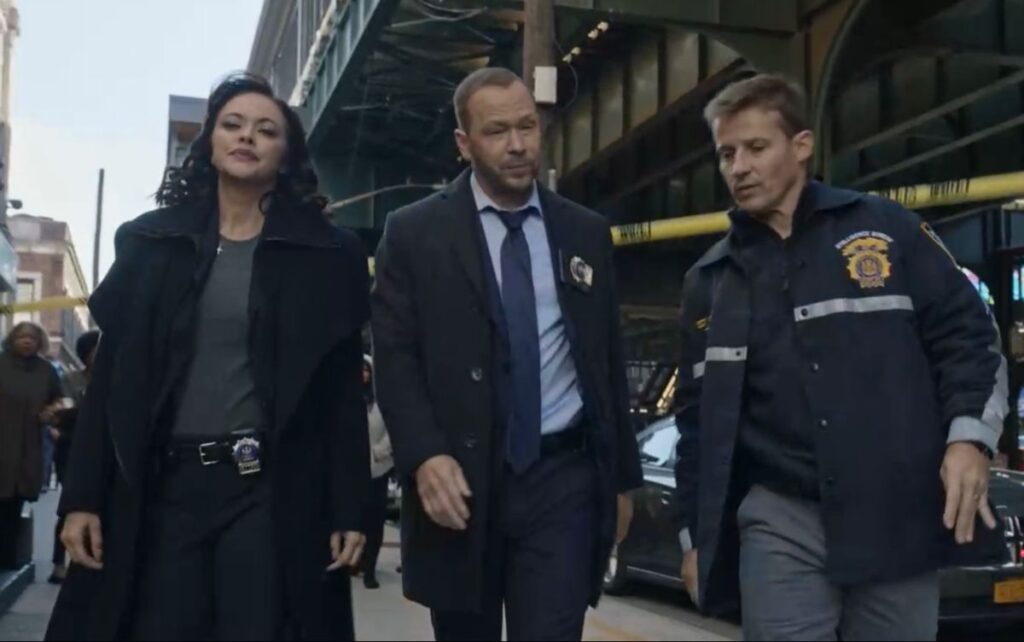 they felt blindsided. For many longtime CBS loyalists, the leak felt like a warning that no show, no matter how beloved, is truly safe anymore.
For years, CBS has cultivated a reputation as the most stable of the major broadcast networks, known for protecting long-running series and rewarding audience loyalty. That reputation is precisely why the backlash has been so intense. The leaked 2026 list painted a very different picture one where familiarity and consistency appear to be giving way to aggressive cost-cutting and strategic reinvention. Fans who trusted CBS to play the long game now feel as though the rules have suddenly changed.
Widespread speculation suggests the list originated from an internal planning document shared during executive-level discussions. While never meant for public consumption, the document allegedly outlined which shows were expected to continue and which were quietly earmarked for cancellation. What gave the leak credibility was the level of detail it contained, including projected episode counts and internal notes that closely mirrored existing industry chatter. Once fans noticed those patterns, belief spread faster than skepticism.
The most painful aspect of the leak was the sheer number of rumored cancellations involving shows with deeply devoted fanbases. These weren’t fringe series clinging to survival they were dependable performers woven into viewers’ weekly routines. Fans expressed frustration not only at the possibility of losing these shows, but at the fear they could end abruptly, without proper conclusions. After years of emotional investment, the prospect of unresolved storylines felt especially cruel.
At the same time, several rumored renewals sparked confusion rather than relief. Some series believed to be on shaky ground marked by declining ratings or minimal buzz appeared to receive another season. To many viewers, this created a sense of disconnect, as though CBS was making decisions detached from audience sentiment. The contrast between what fans value and what the network seems to prioritize only fueled the outrage.
Behind the scenes, however, the alleged decisions reflect a broader industry shift. Traditional ratings no longer capture a show’s full value in an era dominated by streaming, delayed viewing, and fragmented audiences. Networks are under increasing pressure to attract younger demographics, reduce long-term financial risk, and develop content that can perform beyond linear television. From a business standpoint, the strategy may make sense but emotionally, it feels ruthless to loyal viewers.
Rising production costs further complicate the picture. As series age, actor salaries climb, contracts grow more complex, and overall expenses increase. Even strong performers can become financial liabilities over time. In today’s television landscape, longevity can work against a show, turning cancellation into a strategic calculation rather than a reflection of popularity or quality.
CBS has remained silent, but subtle signals from cast members and creators have only intensified speculation. Gratitude-filled posts, reflective messages, and carefully worded goodbyes on social media have led fans to believe that some shows already know their fate. In an industry where official announcements are tightly controlled, these quiet gestures often speak volumes.
Viewers, meanwhile, are far from passive. Online petitions, coordinated hashtag campaigns, and fan-led movements have surged in response to the leak. Communities once focused on episode discussions are now mobilizing to save their favorite series. While fan campaigns don’t always change outcomes, history has shown they can make a difference and hope remains a powerful motivator.
If the leaked list proves accurate, it could mark a turning point for CBS. The era of ultra-long-running network series may be fading, replaced by shorter commitments and faster turnover. For audiences, that shift makes emotional investment feel riskier. When viewers lose faith that a show will be allowed to grow and conclude naturally, engagement becomes harder to sustain.
At its core, the backlash isn’t just about cancellations it’s about trust. CBS built its brand on reliability, and this leak has shaken that foundation. In a media landscape overflowing with options, audiences are less willing to remain loyal when that loyalty no longer feels reciprocated.
Still, it’s important to remember that leaks are not official confirmations. Network strategies can change, particularly when public reaction is this intense. Upfront presentations may yet bring reversals, compromises, or surprises. Until CBS makes formal announcements, uncertainty will continue to dominate the conversation.
Regardless of what becomes official, the alleged CBS 2026 renewals and cancellations list has already left a lasting mark. It has reshaped how fans view the network and raised difficult questions about the future of broadcast television itself. Whether CBS chooses to rebuild trust or push forward without looking back may ultimately define its relationship with viewers in the years to come.