At 80, when most television legends step quietly into retirement, Tom Selleck is doing the opposite. He is preparing for a daring return to the small screen 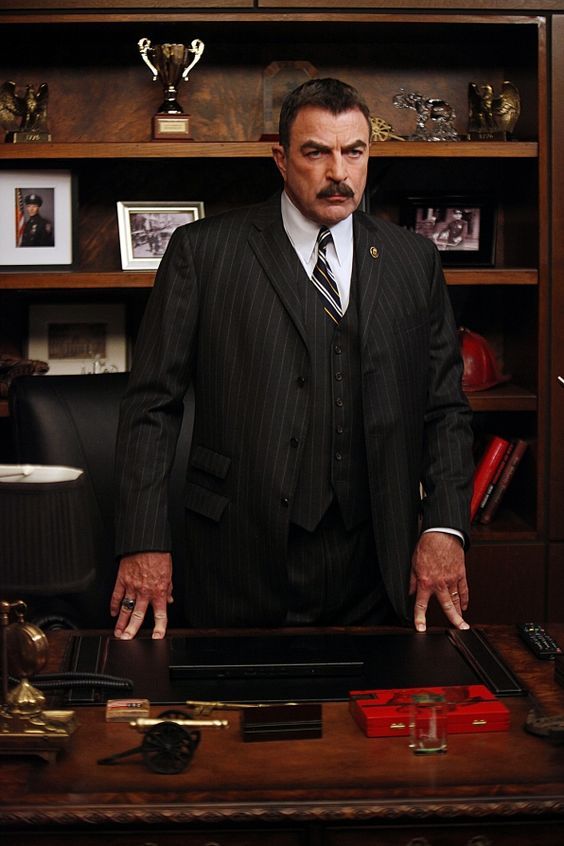 driven by unfinished business, bruised pride, and a refusal to let his story end on anyone else’s terms.
A Farewell He Never Accepted
The conclusion of Blue Bloods was meant to be a dignified goodbye. Instead, it landed like a jolt. For more than a decade, Frank Reagan was not just a character; he was an institution a steady moral compass in an increasingly unsettled television landscape. When the series ended, closure never followed.
Behind the scenes, the ending cut deeper than anyone expected. Watching the franchise move forward without him especially as Boston Blue began gaining traction reportedly stirred a complex mix of pride, frustration, and lingering regret. The world he helped build was still alive. His seat at the table was not.
The Move That Turned Heads in Hollywood
Selleck’s decision to sign with United Talent Agency sent an unmistakable message through the industry. This was no ceremonial shift or quiet reshuffling. It was a declaration.
Changing representation at this stage of a career is rare. Doing so after stepping away from a long-running series is almost unheard of. Insiders describe the move as calculated and disruptive a signal that Selleck is not interested in nostalgic cameos or symbolic curtain calls. The goal is relevance, not remembrance.
The choice has reportedly forced a reexamination of routines, commitments, and long-held assumptions about how Hollywood views age, endurance, and star power.
The Unspoken Fear Behind the Comeback
There is admiration for Selleck’s resolve. There is also caution.
Television is no longer the landscape it was when Blue Bloods debuted. Long running network dramas are fewer. Casting has grown more ruthless. Competition is relentless. Leading roles especially those demanding the physical and scheduling rigor of a procedural are increasingly rare for actors of any age, let alone those in their eighth decade.
Age is never mentioned aloud in meetings, but it is always present. Stamina. Insurance. Audience metrics. Every factor is quietly weighed. Friends and colleagues worry that expectation may collide with an industry that no longer bends easily even for icons.
And yet, Selleck has never been drawn to the easy path.
Why Walking Away Was Never an Option
This moment is not about vanity. For Selleck, it is about authorship.
From Magnum, P.I. to Frank Reagan, his roles have embodied authority, restraint, and moral gravity. To step away without choosing the final chapter feels, to him, like surrender. The cancellation of Blue Bloods stripped him of that choice and he is not ready to accept it.
Legacy Versus Reinvention
The real challenge may not be securing another role, but redefining what success looks like now. Is it another decade long series? A limited event drama? Or a final performance that reframes everything that came before?
What is clear is that this is not a chase for youth. It is a demand for respect on his own terms.
Hollywood celebrates reinvention. It is far less comfortable with persistence. Selleck’s decision forces the industry to confront both.
The Cliffhanger No One Saw Coming
As 2026 approaches, the industry is watching closely. Casting whispers circulate. Meetings happen behind closed doors. Nothing is confirmed, yet everything feels possible.
One truth is undeniable: Tom Selleck is not finished.
Whether this gamble ends in triumph or quiet defiance, it will challenge how late career legends are judged and pose an uncomfortable, compelling question for television itself: how many stories end not because they’re complete, but because someone else decided it was time to stop?